A stoneware tile brushed with ‘wild’ clay (ie. clay that I have found and dug out of the ground myself).
Four variations
-Cappamore 1: Made using clay that I sourced in Cappamore, Co. Limerick. A ginormous Sitka Spruce tree in a forest fell over during a storm and its roots pulled up a huge amount of clay. Don’t feel bad that a giant tree fell over. It was a Sitka Spruce, owned by the awful state-owned lumber farm that is DECIMATING Irish biodiversity. If there are no Coi*lte haters left it’s because I must have died. The clay was good at least. These tiles measure approx. 6×6cm.
-Cappamore 2: Made using clay that I dug up on my Grandad’s farm in Cappamore, Co. Limerick. Sidenote, I dug this clay not particularly far from where Cappamore 1 came from- isn’t that so cool?! The fact that they were so close but look so different. I love that.
-Avoca: Made from clay that I found at the top of the Red Kite hill in Avoca, County Wicklow. The biggest breeding colony of Red Kites in Éirinn lives pretty close, and you can see them floating around above you from the top of the hill. When they’re above you, all you can see is their very distinct outline, similar to the red clay outline that you see on this tile. Their ‘Red’ conservation status can be (at least partially) blamed on, you guessed it, Coi*lte.
-Magheramore: Made using clay that I picked up at Magheramore beach in Co. Wicklow. Magheramore is Wicklow’s best kept secret I think. And I’ve just given that secret away. Crap. The dog of a local farmer is often down at the beach and if he chooses you to be the lucky ball-thrower you absolutely MUST throw it. He particularly likes when you throw it high, and prepare to be impressed because he’s able to get some serious height when he jumps.
Tile you receive may not be the exact tile photographed but will be similar, due to natural variations in the clay.
A stoneware tile brushed with ‘wild’ clay (ie. clay that I have found and dug out of the ground myself).
Four variations
-Cappamore 1: Made using clay that I sourced in Cappamore, Co. Limerick. A ginormous Sitka Spruce tree in a forest fell over during a storm and its roots pulled up a huge amount of clay. Don’t feel bad that a giant tree fell over. It was a Sitka Spruce, owned by the awful state-owned lumber farm that is DECIMATING Irish biodiversity. If there are no Coi*lte haters left it’s because I must have died. The clay was good at least. These tiles measure approx. 6×6cm.
-Cappamore 2: Made using clay that I dug up on my Grandad’s farm in Cappamore, Co. Limerick. Sidenote, I dug this clay not particularly far from where Cappamore 1 came from- isn’t that so cool?! The fact that they were so close but look so different. I love that.
-Avoca: Made from clay that I found at the top of the Red Kite hill in Avoca, County Wicklow. The biggest breeding colony of Red Kites in Éirinn lives pretty close, and you can see them floating around above you from the top of the hill. When they’re above you, all you can see is their very distinct outline, similar to the red clay outline that you see on this tile. Their ‘Red’ conservation status can be (at least partially) blamed on, you guessed it, Coi*lte.
-Magheramore: Made using clay that I picked up at Magheramore beach in Co. Wicklow. Magheramore is Wicklow’s best kept secret I think. And I’ve just given that secret away. Crap. The dog of a local farmer is often down at the beach and if he chooses you to be the lucky ball-thrower you absolutely MUST throw it. He particularly likes when you throw it high, and prepare to be impressed because he’s able to get some serious height when he jumps.
Tile you receive may not be the exact tile photographed but will be similar, due to natural variations in the clay.


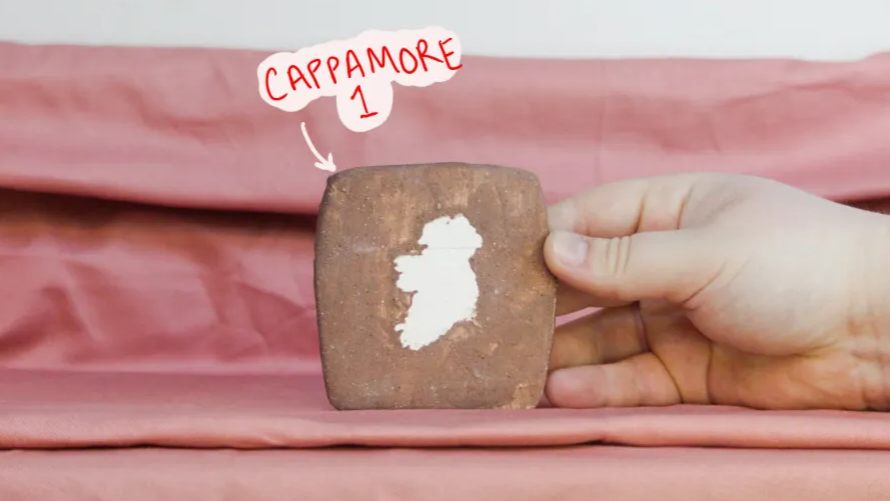 Image 1 of 4
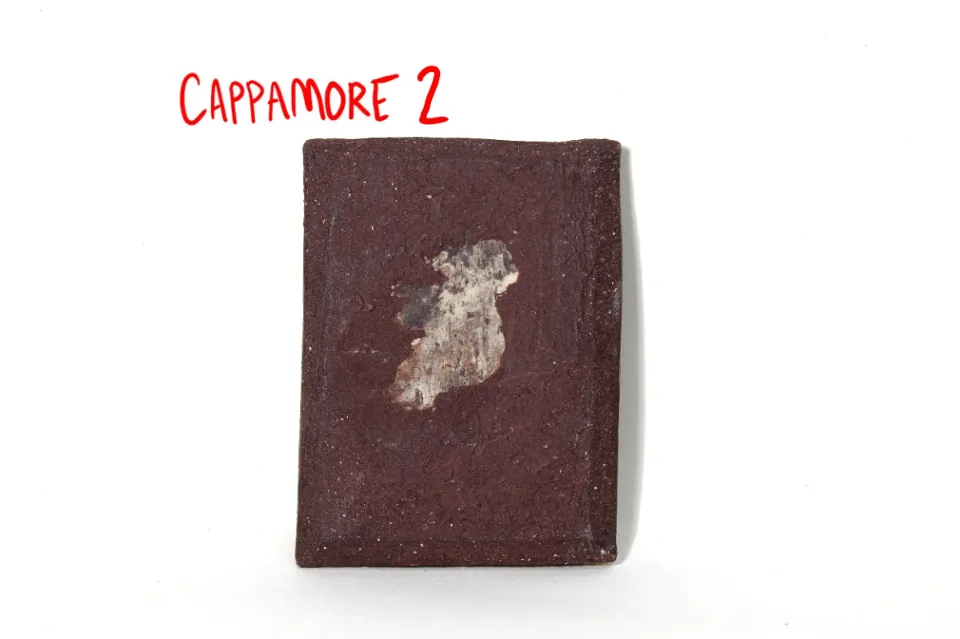 Image 2 of 4
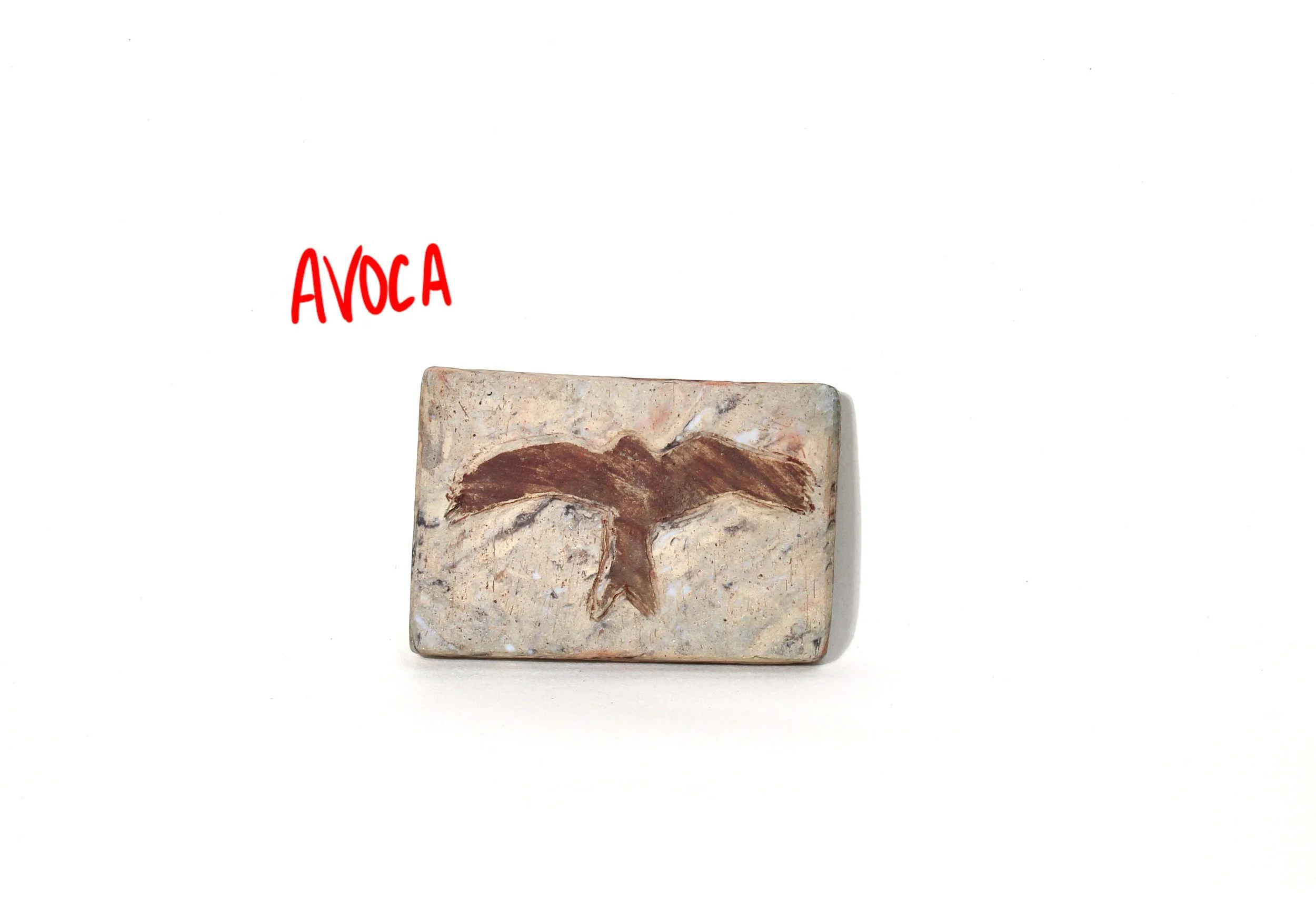 Image 3 of 4
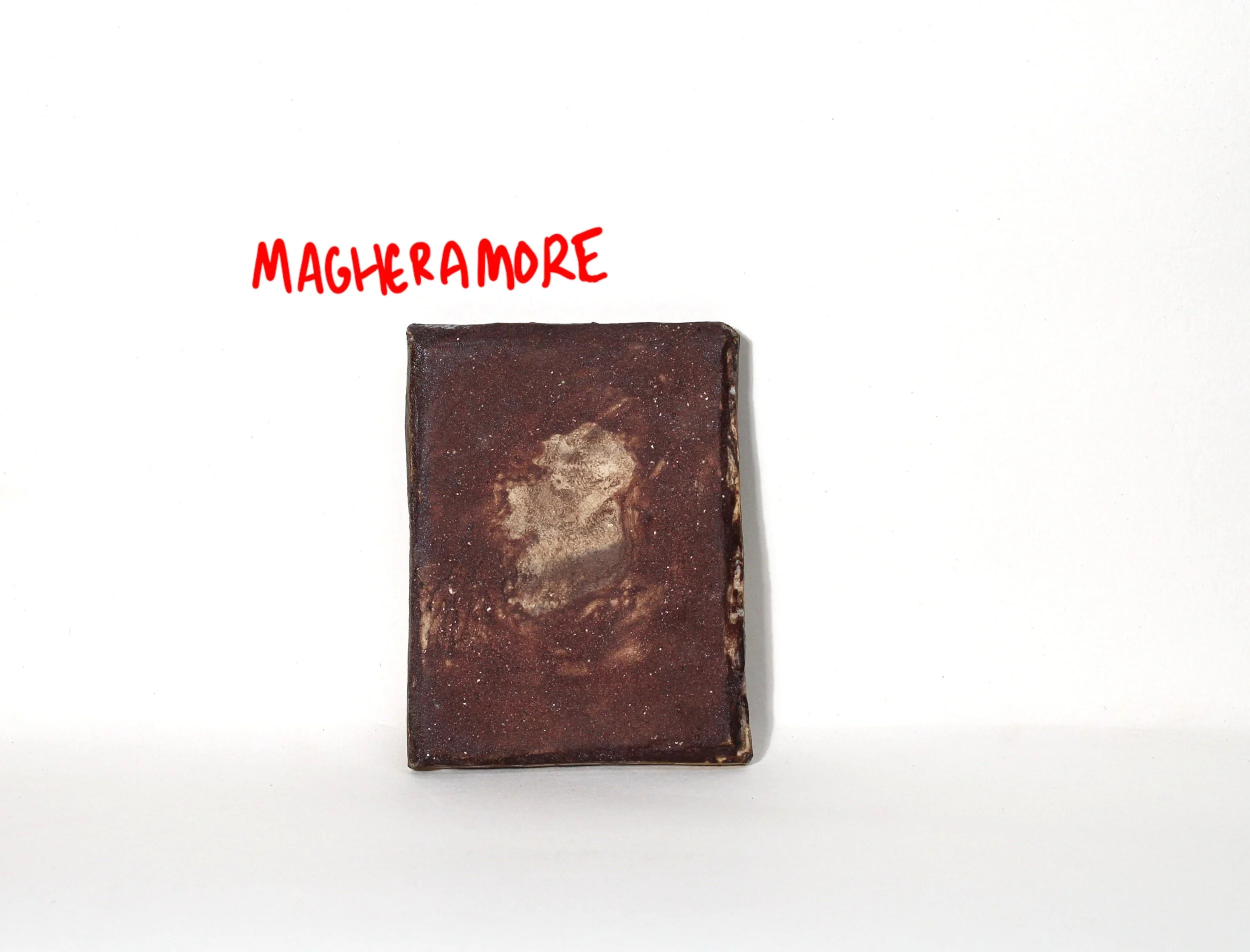 Image 4 of 4