

Your Pottery Agony Aunt #1
I get tonnes of emails from people all the time asking for various bits of help and advice when it comes to pottery. I’m only delighted to answer these emails- I love talking about everything to do with pottery! So, I’m going to answer your questions here, for the whole class to see. Please continue sending in your questions!
Disclaimer: I’m not an expert. Pottery is something that humanity has been doing for the last 30,000 years. Every culture and community has been developing their own techniques since the dawn of time. There is more than one way to do things when it comes to making pots, don’t take this advice as bible. Oh, and don’t forget the most important thing when it comes to pottery- fucking around and finding out is the best possible way for you to learn.
Q: I made some pieces in a pottery class and I’d like to rent your kiln to finish them. I don’t remember if they were bisque fired or not. How can I tell if they were bisque fired already? Is that even necessary?
A: As long as you know what type of clay your pots are made out of, you’re more than welcome to rent space in my kiln!
You can easily tell when your pots are bisqued- if you scrape the pot (lightly) with your nail you shouldn't pick up any clay. Also, bisqued pots usually 'ring' when you give them a (gentle) flick with your nail, whereas unfired pieces will just sound like a dull thud.
Bisque firing isn’t 100% necessary- single-firing or ‘raw glazing’ has been the predominant technique since potters began potting (an interesting piece about the history of bisque firing here). What I will say is that bisque firing makes it a LOT easier to manage your pieces while you’re decorating/glazing them, and that your pieces are less likely to break in the kiln if they’ve been bisque fired first. If you’re new to pottery, I’d stick with a bisque firing and a separate glaze firing.
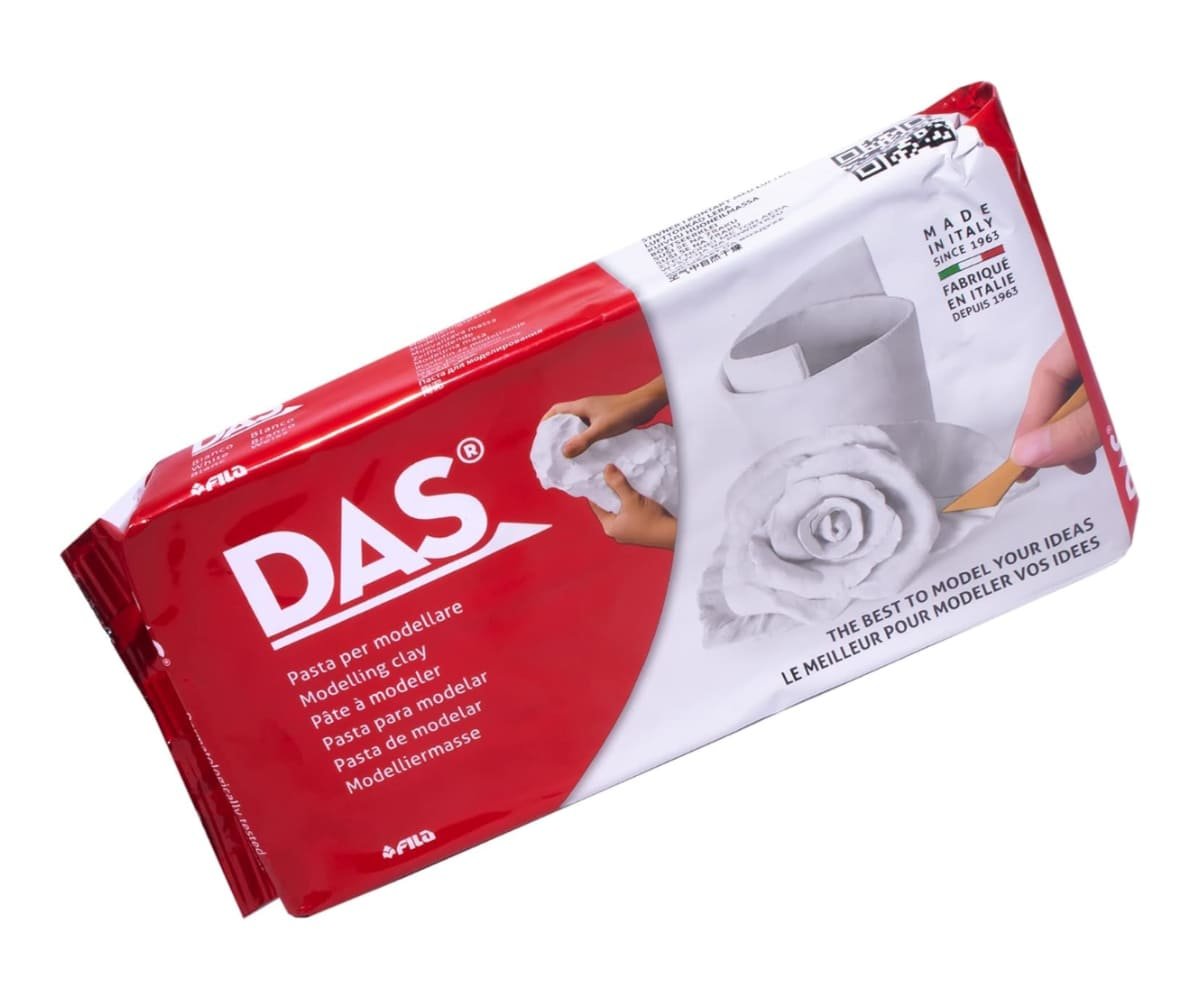
Q: I’ve used DAS modelling clay to make my pieces. Can I rent your kiln?
A: Unfortunately not! DAS modelling clay is not actually made of clay at all- as far as I know it's made up of a mixture of wood or paper fibres, talc (like the mineral talcum powder is made of) and chalk. If we were to fire that in the kiln, I'm guessing we'd be left with a pile of dust, as the fibres would all burn away so your pieces wouldn't have anything holding them together. Anything labelled 'air-dry clay' is almost certainly not 'real' clay (ie. isn't actually made out of clay minerals). Polymer clay (like 'sculpey’) is also not 'true' clay, as it is made of PVC (plastic) and would, at best, melt into a puddle and damage the kiln. It would also decompose into hydrogen chloride (this is the gaseous form of Hydrochloric acid, the stuff in our stomachs) and probably would kill me. Not ideal!
In order to make a mug (or anything that you want to be food safe), you need clay that is 'true' clay. This means that when it's fired in the kiln (between 1000°C and 1300°) it vitrifies and turns into ceramic. Make sure when you're buying clay that it specifically says the temperature to be fired at, otherwise it mightn't be suitable for the kiln. I'd recommend having a look in shops like Scarva, DBI, or Ulster Ceramics. Honestly, just pick a colour that you like and go with the cheapest option, especially if this is your first time working with clay. The only thing that you need to make sure of is that the clay and the glaze that you choose 'fit' each other. For example, if you buy a Stoneware (high-firing) clay, make sure you also buy a Stoneware (/high-firing) glaze. Otherwise you'll be left with a disappointing puddle (look up @ceramiccasualties on Instagram for some horrifying examples).
I hope this helps, and if you’ve got a burning question to do with ANYTHING related to pottery (how to, history, internet pottery drama, etc) let me know!
xoxo
Agony Ó
